0723 939 353 wachirahwangari@gmail.com Reinsurance Plaza, Nairobi
Mon–Fri 8am–6pm · Sat 9am–2pm

Requirements to import a used car into Kenya

The age rule, the mandatory inspection, the documents your clearing agent must be handed at Mombasa, and everything payable before the vehicle is released.

Before you buy

Two conditions decide everything

Fail either one and the vehicle does not clear. Both are checkable before you part with any money.

1. The 8-year age rule

The vehicle must not be more than 8 years old, counted from the date of first registration.

This trips people up constantly, because the model year on the brochure and the first registration date are often different. A unit built late in one year and registered early the next is judged on the registration date. Always work from the export certificate, never the advert.
2. Pre-shipment inspection

The vehicle must undergo pre-shipment inspection in the country of export and be issued with a certificate before loading.

The inspection covers roadworthiness, mechanical condition, mileage verification and conformity with Kenyan standards. The certificate must travel with the shipment as an original.

Check a vehicle against the age rule

Enter the year of first registration from the logbook or export certificate.

Enter the year of first registration printed on the vehicle logbook or export certificate.

On arrival at Mombasa

Documents the clearing agent must be given

On arrival at the port of discharge, the following must be presented to the clearing agent for clearance.

  • Original inspection certificate The pre-shipment certificate issued in the country of export. Photocopies and scans are not accepted.
  • Original 1st and 2nd copies of the bill of lading Both originals are required. The bill of lading is the carrier's title document — without it the shipping line will not release the unit.
  • Original certificate of export Proof the vehicle was lawfully de-registered in the exporting country and released for export.
  • Commercial invoice The transaction document supporting the declared value on the customs entry.

The consignee also supplies

Copies of the consignee's national ID and KRA PIN must be furnished to the clearing agent. Get these to your agent early — they are the easiest item on the list to forget and the whole entry waits on them.

Originals travel separately — and they go missing

Document couriers lose envelopes. If originals arrive after the vessel, the vehicle sits in the yard and customs warehouse charges start accruing against you. Tracking these documents from issue to the agent's desk is a large part of what we do.

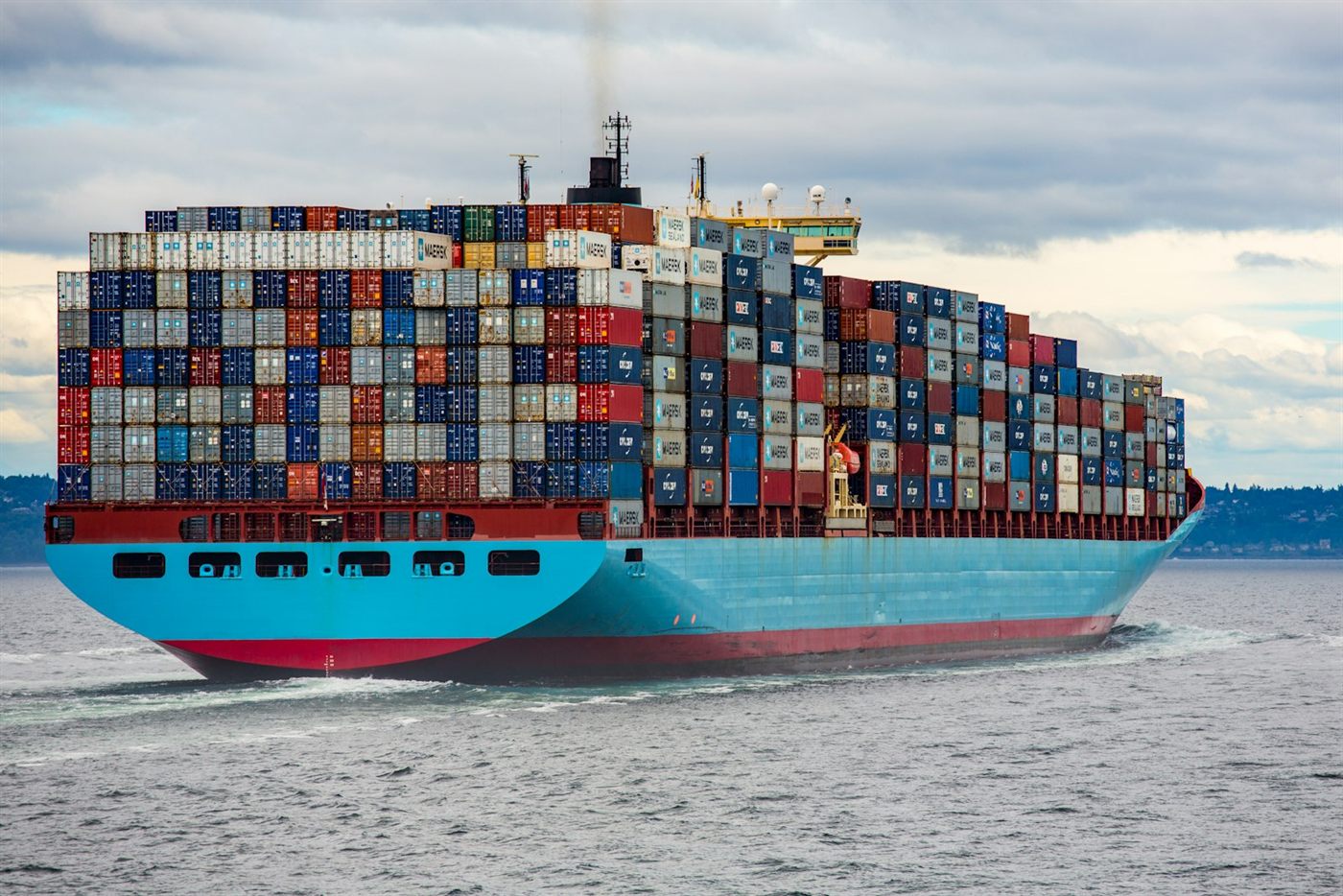
Container vessel bound for the port of Mombasa
Before release

Money payable before the vehicle leaves the port

Four categories fall due. Three of them are unavoidable. The fourth is entirely avoidable, and it is the one that catches people out.

1. Customs duties & levies

Import duty, excise duty, VAT, the Import Declaration Fee and the Railway Development Levy — assessed on the customs value KRA determines.

2. Port handling charges

Payable to the port authority for discharging, moving and storing the unit while it is in the terminal.

3. Clearing agent fees

The licensed agent's charge for lodging the entry, presenting documents and getting the unit released.

4. Customs warehouse charges

If any. These accrue when a unit overstays because documents were late or the entry was lodged slowly. Move fast and this line is zero.

The fourth charge is a timing problem, not a tax

Customs warehouse and demurrage charges are the single most common way an otherwise good import turns expensive. They are caused by paperwork arriving late, not by anything wrong with the vehicle. Every day the unit sits on the yard is money.

In order

The compliance sequence

Each stage depends on the one before it. Skip a step and you discover the problem at the most expensive possible moment.

1

Confirm the vehicle age

Check the date of first registration against the 8-year rule before any deposit changes hands. This is the cheapest check available and the most expensive one to skip.

2

Book pre-shipment inspection

Arranged in the country of export. The unit is examined and the certificate issued. Nothing loads without it.

3

Secure the originals

Inspection certificate, both copies of the bill of lading, certificate of export and the commercial invoice — collected, tracked and routed to the clearing agent.

4

Supply ID and KRA PIN

The consignee's identity documents go to the agent so the entry can be raised in the correct name.

5

Lodge the entry and pay

Customs duties and levies, port handling and agent fees settled. Any customs warehouse charges cleared.

6

Release and register

The unit leaves the port, goes through NTSA registration, and the logbook is issued in the owner's name.

A note on accuracy

Import rules, duty rates and levies in Kenya are amended from time to time, most often through the annual Finance Act. The requirements set out on this page reflect the standing rules for used vehicle imports, but always confirm current rates with KRA, KEBS and your clearing agent before committing funds — or simply ask us and we will confirm them for your specific vehicle.

Do not learn this at the port

Send us the vehicle details and we will confirm eligibility, documents and the full cost before you commit a shilling.